
By 1808Delaware
There is a quiet reality across Ohio’s countryside, including farmsteads in Delaware County.
The barns are still standing. The fields are still being planted. But the question of what happens next is often left unspoken at the kitchen table, and a new statewide effort is stepping directly into that space.
The Ohio Farm Transition Network has officially launched, with a clear purpose: help farm families plan the transfer of their farms to the next generation before circumstances force their hand.
Why This Matters Now
Ohio agriculture is facing a generational shift. Many farm operators are nearing retirement age. At the same time, land values are high, operating costs are complex, and family structures are rarely simple.
Too often, transition planning happens late or not at all. That can mean fractured families, lost operations, or farms sold outside the family line. The new network is built around a straightforward idea: farm families are best served when everyone advising them is working from the same playbook.
Tim Hicks with Ohio Farm Bureau put it plainly
“Alignment across the industry reduces confusion and strengthens outcomes. Instead of mixed terminology, conflicting advice, and siloed professionals, the network aims to provide clarity and consistency.”
That may sound procedural. It is not. For farm families, it is deeply personal.
What the Network Will Actually Do
The Ohio Farm Transition Network (click for more information) is not a symbolic coalition. It has defined operational goals for its first year.
It will:
- Train attorneys, accountants, lenders, financial advisors, insurance professionals, and Extension educators involved in farm transition planning
- Standardize terminology and best practices
- Serve as a statewide clearinghouse of educational resources and qualified service providers
- Increase awareness of proactive transition planning
- Measure impact through data on completed transition plans
David Marrison, OSU Farm Management Specialist and Interim Director of the Farm Financial Management and Policy Institute, described the mission clearly: strengthen the professionals who support farm families so the families themselves can make informed, confident decisions.
That focus on measurement is worth noting. Many initiatives announce intentions. Fewer commit to tracking actual completed transition plans. If OFTN follows through, it moves from advocacy into accountability.
A Rare Level of Alignment
The founding membership reflects broad agricultural buy-in. Organizations involved include AgCredit, Farm Credit Mid-America, Nationwide, Ohio Corn and Wheat, Ohio Department of Agriculture, Ohio Farm Bureau, Ohio Soybean Council, Ohio State Bar Association through its Agricultural Law Committee, Ohio State University Extension, and the USDA Farm Service Agency.
Funding support comes from AgCredit, Farm Credit Mid-America, Nationwide, Ohio Corn and Wheat, and Ohio Soybean Council. That mix of commodity groups, financial institutions, legal professionals, Extension, and state and federal agencies is significant. Agriculture often operates in silos. This structure signals recognition that transition planning touches every part of the system.
The Hard Truth About Transition
Let’s be candid. Farm transition is not just a legal process. It involves identity, fairness among siblings, debt structures, tax implications, spousal security, and intergenerational expectations. The legal documents are only the final layer. The real work is conversation.
If OFTN can normalize those conversations earlier, especially through trusted advisors, it may prevent avoidable crises down the line.
But this initiative will only succeed if farm families engage before pressure forces decisions. A website alone will not solve the problem. Cultural hesitation is often the real barrier.
What Happens Next
In its first year, the network plans to offer professional training workshops, develop a comprehensive website, build a statewide membership of trained service providers, and support completion of farm transition plans. All are part of a practical rollout with the real test being participation and whether families follow through. f they do, this initiative could quietly reshape the long-term stability of Ohio agriculture.
For more information about programs or membership opportunities, farm families and service providers can contact David Marrison at marrison.2@osu.edu or Robert Moore at moore.301@osu.edu.
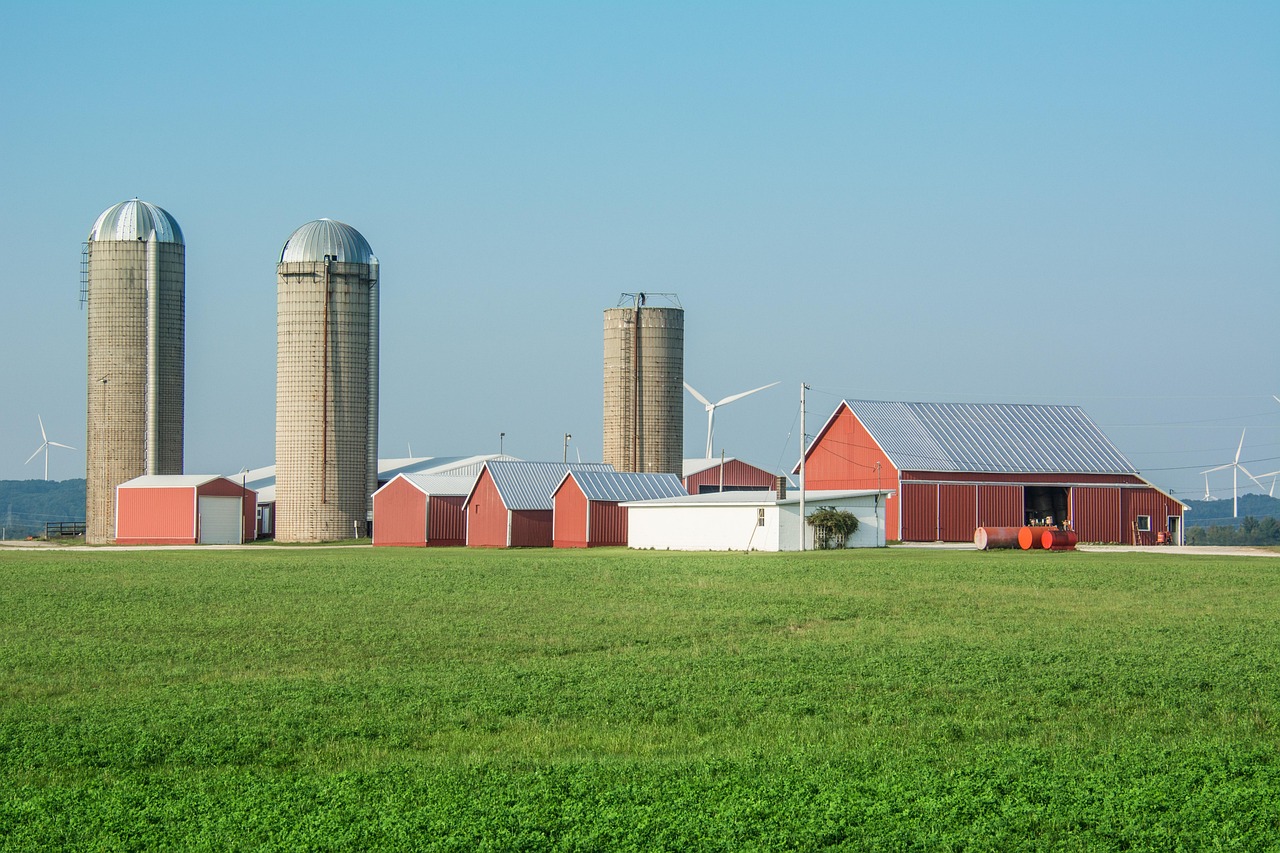
Image by Jason Gillman from Pixabay