
By 1808Delaware
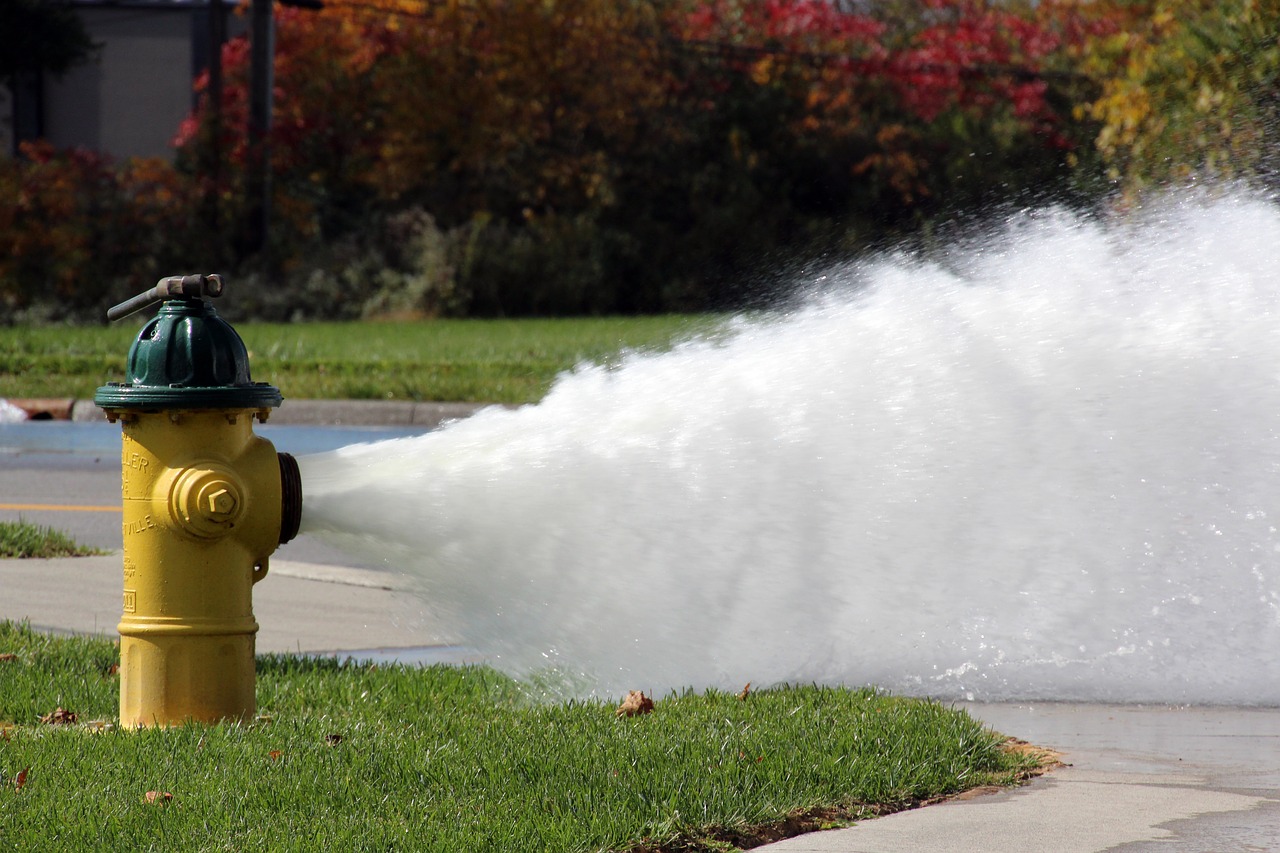
The City of Delaware has begun its annual citywide fire hydrant flushing program, which runs through April 22 each day between 7:30 a.m. and 4:00 p.m. The work is routine but essential, aimed at maintaining water quality and ensuring the reliability of the city’s fire protection system.
During this period, residents may notice temporary discoloration in their tap water. This is a normal part of the process, as sediment and mineral deposits are stirred up inside the water mains. City officials advise customers to let water run until it clears before using it for drinking, cooking, or laundry. If discoloration persists, residents are encouraged to contact the Water Distribution Division or Utility Office for assistance.
A System Built for Reliability
Delaware’s water system is anchored by the Olentangy River, which serves as the city’s primary source. That supply is supplemented by groundwater drawn from wells more than 200 feet deep, giving the system flexibility and resilience during periods of high demand or changing conditions.
On a typical day, the city treats and distributes approximately 3.65 million gallons of water to more than 12,000 customers. That water moves through an extensive network of 190 miles of water lines and reaches roughly 2,000 fire hydrants positioned throughout the community.
Why Hydrant Flushing Matters
Hydrant flushing is not simply a maintenance task. It is a system-wide check that keeps the infrastructure functioning as intended.
At high flow rates, flushing scours the interior of water mains, removing built-up sediment, rust, and mineral deposits that accumulate over time. This helps preserve water clarity and overall quality.
The process also allows crews to test hydrants directly. By opening and closing valves and measuring flow and pressure, they can confirm that hydrants will perform properly in an emergency. At the same time, flushing can reveal hidden issues such as leaks, stuck valves, or sections of pipe with reduced flow capacity.
What Residents Should Expect
For most households, the effects of flushing are brief and manageable. Water may appear discolored for a short time, particularly in areas closest to active flushing. Letting taps run for several minutes typically resolves the issue.
As a precaution, residents may wish to avoid doing laundry during flushing hours, since sediment can stain fabrics. Once water runs clear, normal use can resume without concern.
Routine Work With Long-Term Impact
Programs like this are easy to overlook, but they are foundational to how a city functions day to day. Clean water, reliable pressure, and dependable fire protection all depend on infrastructure that is actively maintained rather than passively assumed. For Delaware, the annual flushing cycle is a reminder that even unseen systems require steady attention to perform when it matters most.
We now feature a dedicated Delaware community page.
Bookmark it to explore ongoing coverage.