By 1808Delaware
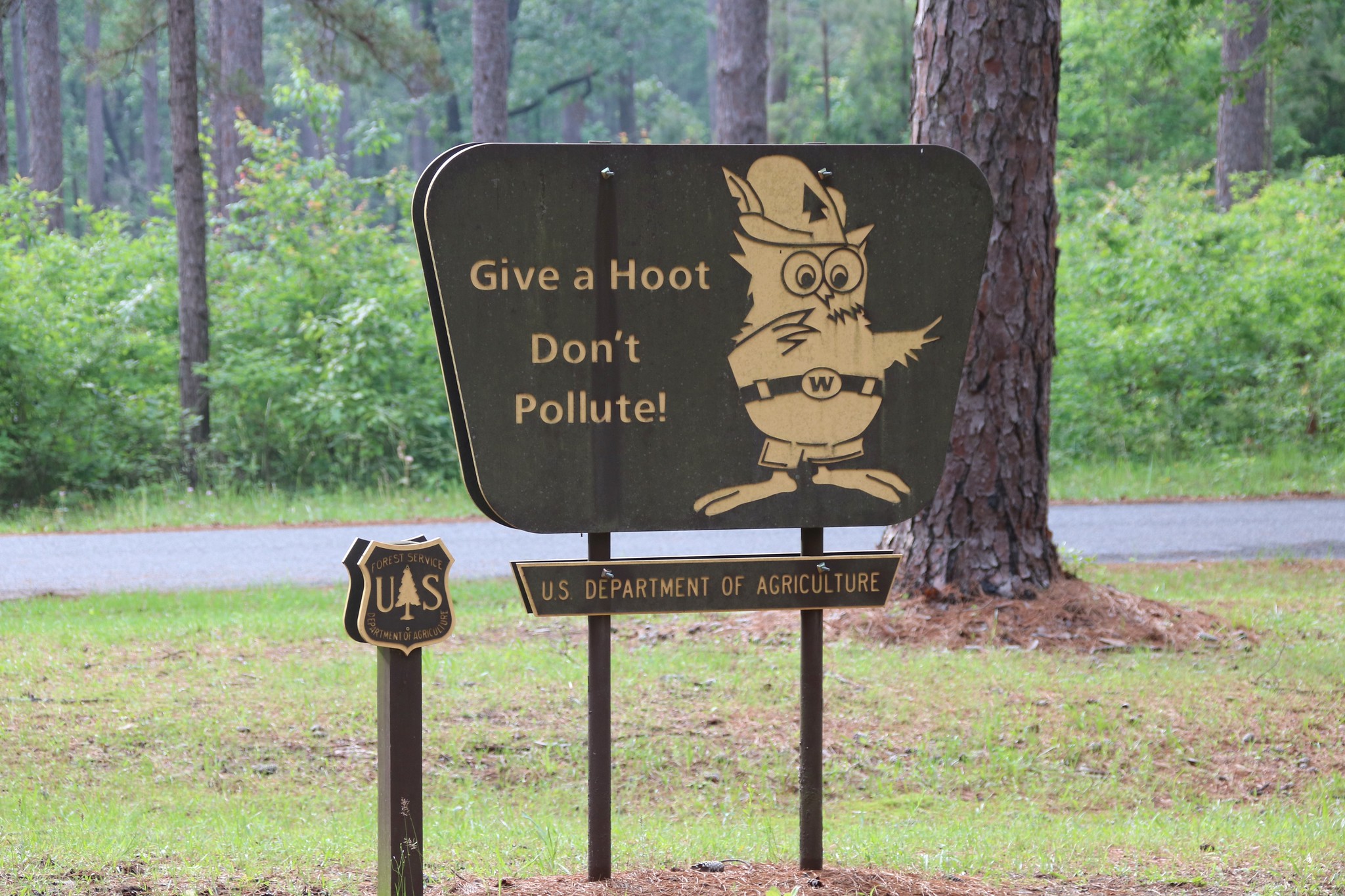
For children who grew up during the 1970s and 1980s, Woodsy Owl delivered one of the era’s most memorable environmental messages: “Give a hoot! Don’t pollute!” Now, more than five decades after his introduction, the familiar U.S. Forest Service mascot has returned to the streets of Delaware with a new assignment.
Woodsy Owl decals are appearing on City refuse and recycling trucks as part of two public education campaigns focused on lithium-ion battery disposal and contamination in curbside yard waste.
A familiar face with a serious warning
Woodsy Owl was introduced in 1971 as the friendly face of a federal campaign encouraging children to avoid littering and care for the environment. His message appeared in public service announcements, songs, educational films and classroom materials throughout the 1970s and 1980s. The simple slogan helped Woodsy become a recognizable public service figure alongside Smokey Bear.
In Delaware, the owl’s latest message addresses hazards that can threaten residents, City employees and essential equipment. The City has experienced multiple fires in refuse collection trucks caused by lithium-ion batteries that were improperly placed in household trash. Those fires can place drivers in immediate danger while damaging equipment that is both expensive and difficult to replace. A single refuse collection truck costs nearly $500,000, and a replacement can take as long as four years to arrive after it is ordered.
Small batteries, significant danger
Lithium-ion batteries are found in a growing number of everyday products, including rechargeable electronics, power tools, toys and household devices. When batteries are crushed or damaged inside a refuse truck, they can ignite and start a fire among the surrounding waste. The enclosed environment and combustible material inside the truck can allow flames to spread quickly.
The new decals are intended to serve as rolling reminders that lithium-ion batteries require special disposal rather than being placed in regular household trash or recycling containers.
A second campaign focuses on reducing contamination in curbside yard waste collection. Keeping inappropriate materials out of yard waste helps protect collection equipment and ensures that the material can be handled properly.
An old message for a modern problem
Woodsy Owl’s return connects a familiar environmental campaign with challenges that could scarcely have been imagined when the character first appeared. The technology has changed, but the basic lesson remains the same: Individual disposal decisions can have consequences throughout the community.
As Delaware’s refuse and recycling trucks travel through neighborhoods, Woodsy once again has something important to say. Give a hoot, dispose of batteries safely and help protect the people and equipment that keep the City running.
Photo: Creative Commons License