By 1808Delaware
When the ornaments come down and the lights are boxed away, a live-cut Christmas tree still has work left to do. According to the Ohio Department of Natural Resources Division of Wildlife, those once-festive evergreens can become valuable habitat for wildlife across the state.
Instead of hauling a tree to the curb, Ohioans are being encouraged to think a little differently about disposal. With minimal effort, a Christmas tree can turn into shelter for birds, small mammals, and even insects during the coldest months of the year.
How a Tree Becomes a Wildlife Haven
The simplest option is a backyard brush pile. The Division of Wildlife suggests placing the tree in a quiet, low-traffic area and layering limbs around it in a loose square. Adding additional brush on top helps create a dense structure that offers protection from wind, snow, and predators.
Songbirds like cardinals, chickadees, titmice, nuthatches, and wrens routinely dart in and out of these piles. They use them for feeding, nesting, and quick escapes. Rabbits and chipmunks also take advantage of the cover, especially when raising young. Even overwintering insects such as bees, moths, and butterflies find refuge in brush piles, making them small but important ecosystems.
Before placing a tree outdoors, all decorations need to come off. Tinsel, garland, lights, and ornaments can harm wildlife and do not belong in natural settings. Permission is also required before placing a tree on any public or private property. Dumping trees without approval can result in a litter violation.
A Local Drop-Off with a Purpose
For residents of Delaware County and nearby areas, there is a practical alternative to backyard reuse. The Morrow County Soil and Water Conservation District is accepting live-cut Christmas trees at the Headwaters Outdoor Education Center, located at 151 Home Road in Mount Gilead.
Trees will be accepted through Friday, January 30, and will be reused to benefit wildlife habitat rather than ending up as waste. It is a short drive with a clear environmental payoff.
From Living Room to Lake Bottom
Each winter, the Division of Wildlife also repurposes hundreds of Christmas trees in a very different way. Bundled and weighted, the trees are placed at select wildlife areas and public lakes around Ohio, where they sink to the bottom and become fish habitat.
These submerged structures attract baitfish, which in turn draw sport fish such as crappie, bluegill, and largemouth bass. Over time, decomposing trees support zooplankton, feeding aquatic invertebrates and strengthening the entire food chain. Anglers often find these locations productive, and an interactive lake map showing tree placements is available through wildohio.gov and the HuntFish OH mobile app.
A Note for Pond Owners
Private pond owners can borrow the same idea. Strategically placed trees can add structure to ponds, improving fish habitat and overall ecological health. Like brush piles on land, they are a low-cost way to support wildlife with materials already on hand.
A Christmas tree may look finished once the holidays pass, but in Ohio, it can keep giving well into winter and beyond.
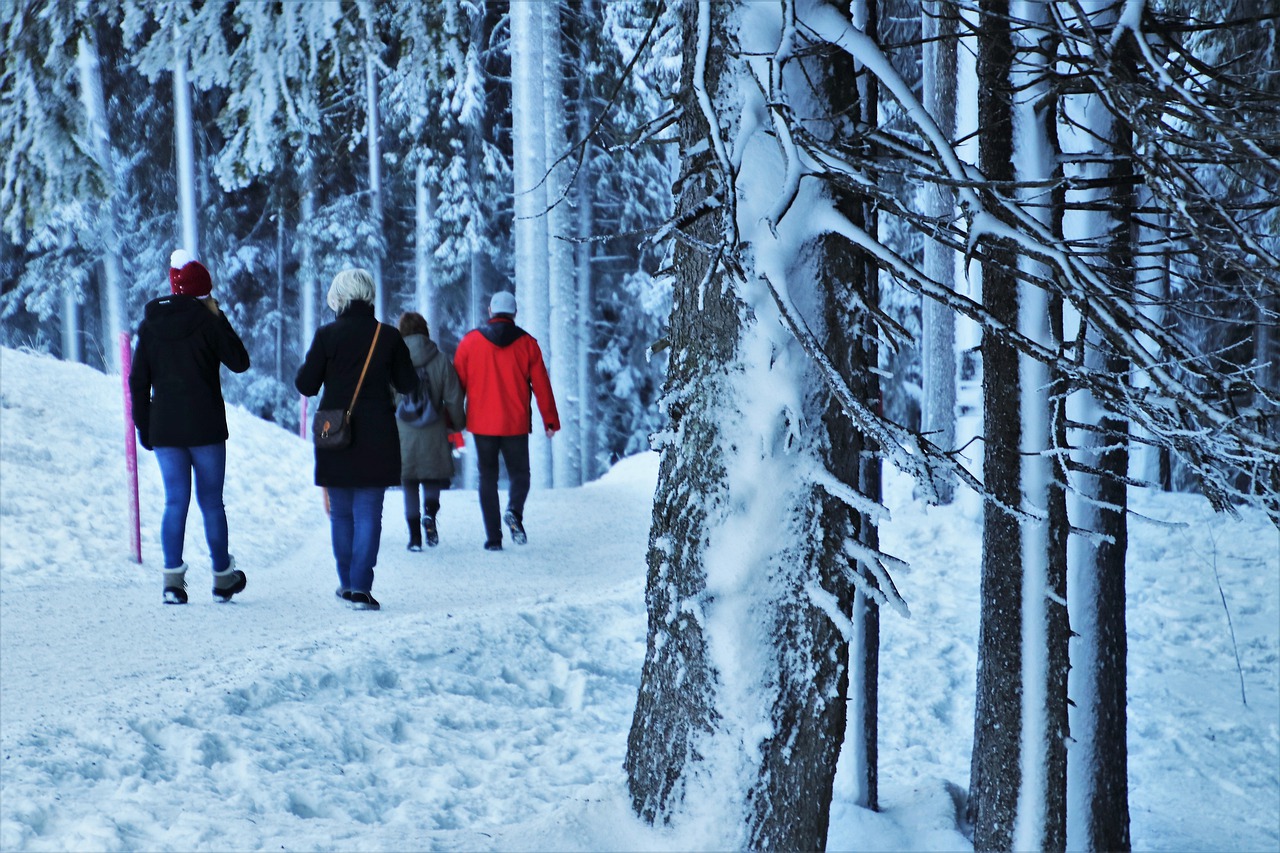
Image by Mikki Couch from Pixabay