
Special to 1808Delaware (emphasis adeed)
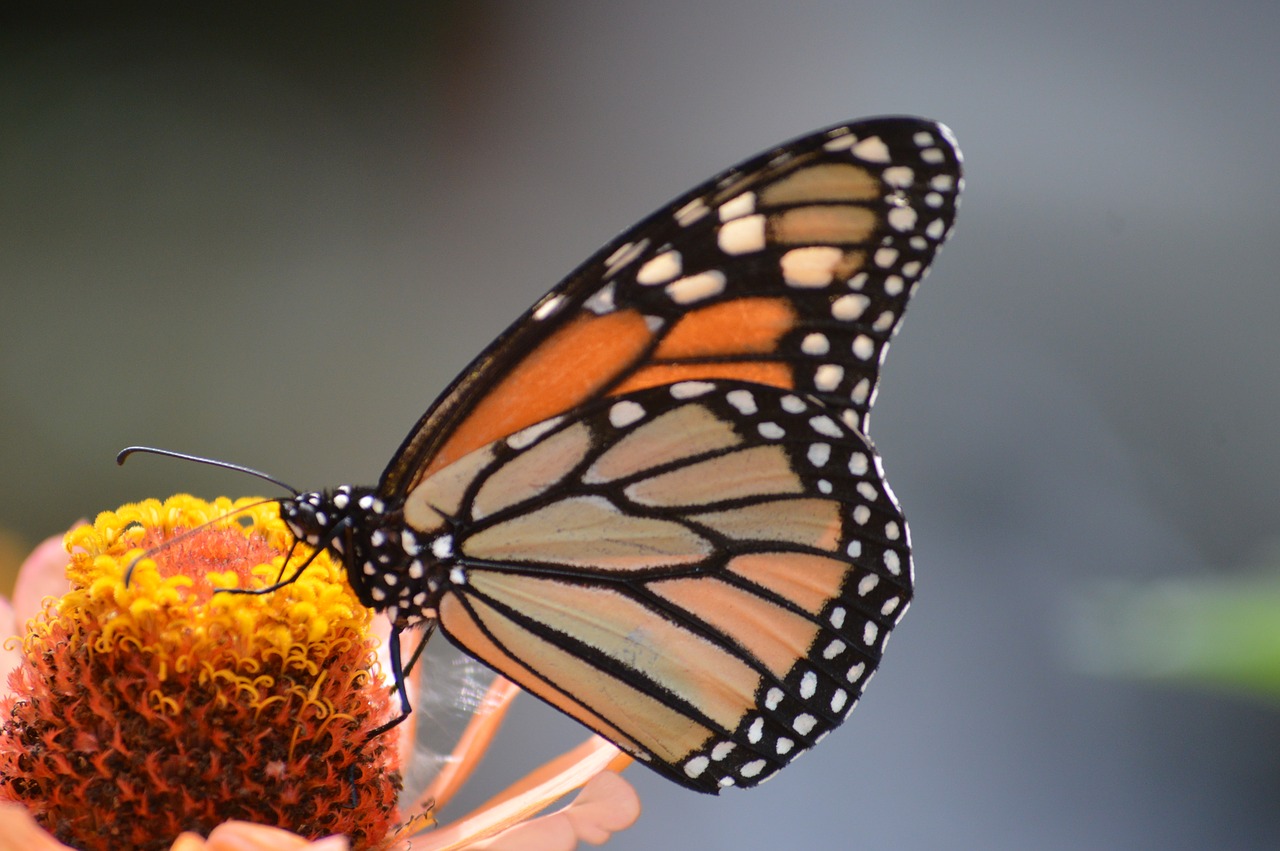
Eastern monarch butterflies are now flying through Ohio on their way from summer breeding areas to overwintering sites in Mexico, according to the Ohio Department of Natural Resources (ODNR) Division of Wildlife. Monarchs may travel 50 to 100 miles per day, making this one of the most impressive migrations in the animal kingdom. The journey may take them thousands of miles before they reach their destination.
Migrating monarchs rely on adequate food resources along their journey. Native flowers provide monarchs with the fuel needed to reach overwintering areas. Look for monarchs in the coming weeks in forests, fields, gardens, and waterways as they migrate through Ohio. Migrants may travel individually or in groups.Monarch butterflies are in decline across their range, as are many other pollinating insects, due primarily to the loss of prairie and grassland habitat. One of the most important ways to help declining butterflies and other pollinating insects is by conserving tracts of unmown grasslands. The Division of Wildlife manages habitat on many of Ohio’s state wildlife areas to provide these grasslands that provide nectar producing plants.
You can play a role in supporting monarchs by planting milkweed. Milkweed is the sole host plant for monarchs and is beneficial at every stage of the insect’s life cycle. Early fall is a great time to gather milkweed pods from the landscape and plant the seeds to add valuable habitat for monarchs. The Monarch Joint Venture, an organization dedicated to conserving monarchs, provides guidelines for collecting and planting milkweed pods.
Planting pollinator gardens is a gratifying way to help wildlife, and impacts are easily enjoyed by seeing butterflies and other pollinators move from plant to plant. Browse the free Backyards for Butterflies or Milkweeds and Monarchs publications for help choosing what to plant. Publications such as these and the free field guide series are made possible in part by funds generated through donations as well as license and permit sales.
Pollinators play an integral role in the food web, and their work is essential in maintaining a healthy, adequate food supply in Ohio and beyond. Native pollinators include bees, wasps, butterflies, moths, beetles, and birds. The Buckeye State has more than 140 species of butterflies that are found in a variety of habitats, from urban backyards to upland forests and lush wetlands.
Follow the Division of Wildlife on Twitter and Facebook for instant news stories, outdoor recreation ideas, local wildlife information, and so much more. Visit wildohio.gov to find locations to hunt, fish, trap, and view wildlife. Follow us on Instagram to view the best of Ohio’s wildlife photography. And don’t forget about the HuntFish OH mobile app, available for Android and iOS users through the app store. Users can view wildlife area maps through the app, as well as purchase licenses and permits and report wildlife sightings.