By 1808Delaware
As spring and summer bring increased wildlife activity across Ohio, state officials are asking residents to take a more active role in protecting animals—and drivers—on the road. The Ohio Department of Natural Resources Division of Wildlife and the Ohio Department of Transportation have launched a public reporting effort aimed at identifying frequent reptile and amphibian road crossings. The goal is straightforward: better data leads to safer roads and more effective wildlife protection measures.
Why crossings matter
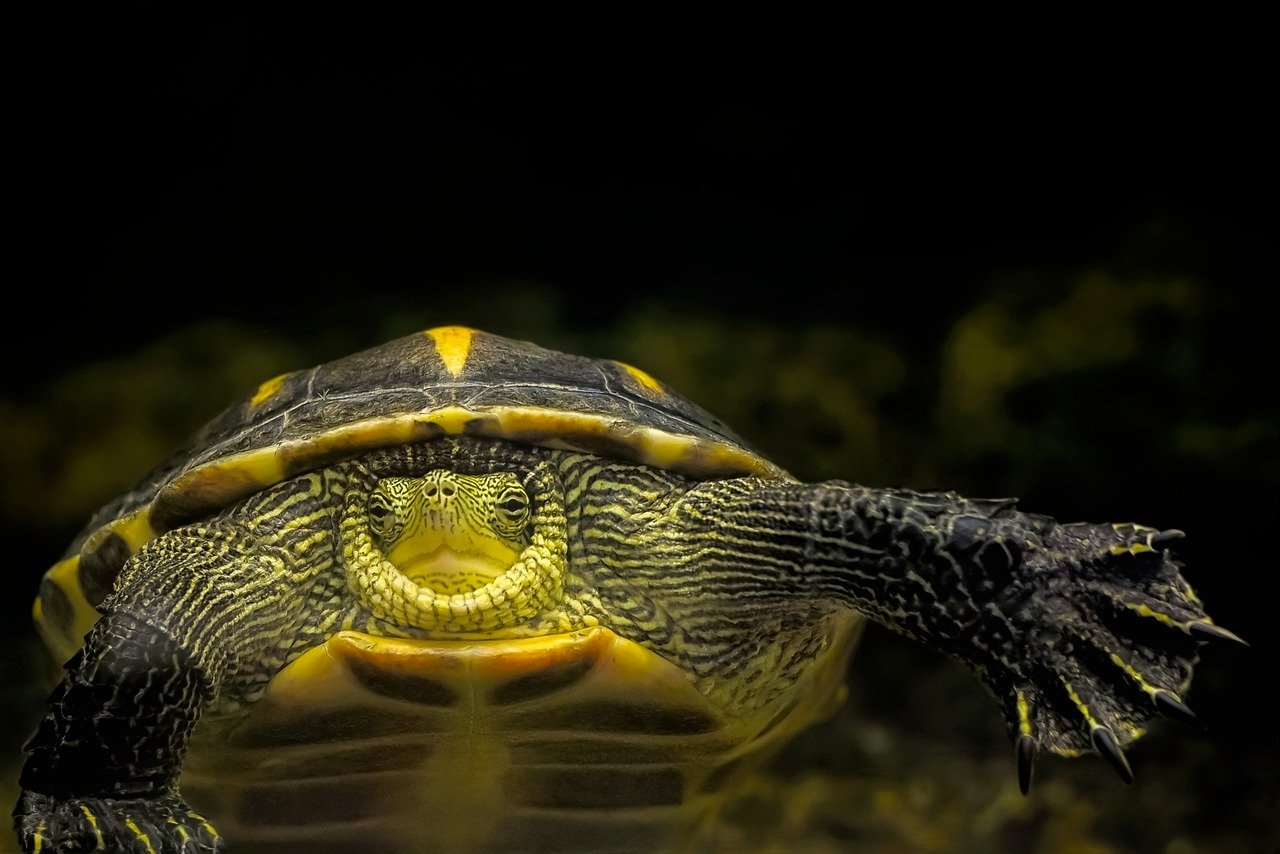
Warmer months trigger movement among many species. Turtles, snakes, and other reptiles often cross roads to lay eggs, locate new habitat, or seek shelter. Amphibians—especially frogs, toads, and salamanders—are known for seasonal migrations, particularly in early spring and sometimes again in the fall, as they travel to breeding areas.
These crossings create a dangerous overlap between wildlife behavior and vehicle traffic. For animals, it can be fatal. For drivers, unexpected encounters can lead to sudden braking or swerving, increasing the risk of accidents.
How the public can help
State officials are asking residents to report locations where they frequently observe these crossings. Submissions can include sightings of live animals or roadkill, both of which help identify high-risk areas. Reports can be submitted through the Wildlife Reporting System, available at wildohio.gov or via the HuntFish OH mobile app.
There is one key rule: safety comes first. Observers should never report while driving. Instead, note the location and submit the information after parking safely, or ask a passenger to do so.
A broader effort to track wildlife
The reporting system is part of a larger citizen-science approach used by ODNR. In addition to reptiles and amphibians, public observations help track populations of species such as black bears, bobcats, and fishers across the state. Each report contributes to a growing dataset that informs conservation strategies, roadway planning, and habitat protection efforts.
Staying connected
For those interested in learning more about Ohio’s wildlife and outdoor opportunities, the Division of Wildlife maintains active channels on social media, sharing updates, educational content, and seasonal alerts. As migration and nesting seasons continue, even a single observation can make a difference—helping shape safer roads for both wildlife and the people who share them.