
By 1808Delaware
The City of Westerville is undertaking one of its most ambitious development efforts with the 88-acre East of Africa Road project, located just east of Africa Road and adjacent to the Westar business district. Designed to transform the area into a shovel-ready commercial corridor, the project includes the installation of essential underground infrastructure, new roads, and a future roundabout to support future economic activity.
Progress on Sewer Infrastructure
Sanitary sewer installation began in early April at County Line Road and has progressed north toward Polaris Parkway. Despite encountering weather delays and underground obstacles, contractors have now completed the first phase of work. The latest milestone includes the installation of a manhole near the Yarnell Farm soybean field, marking the end of the County Line section. Work is now focused on connecting the sewer line to Polaris Parkway, including placement of a final manhole along the back edge of the property.
Following sewer work, crews will begin installing water lines and underground electric systems to make the site development-ready for future buyers and tenants.
Traffic Disruptions and Roadway Access
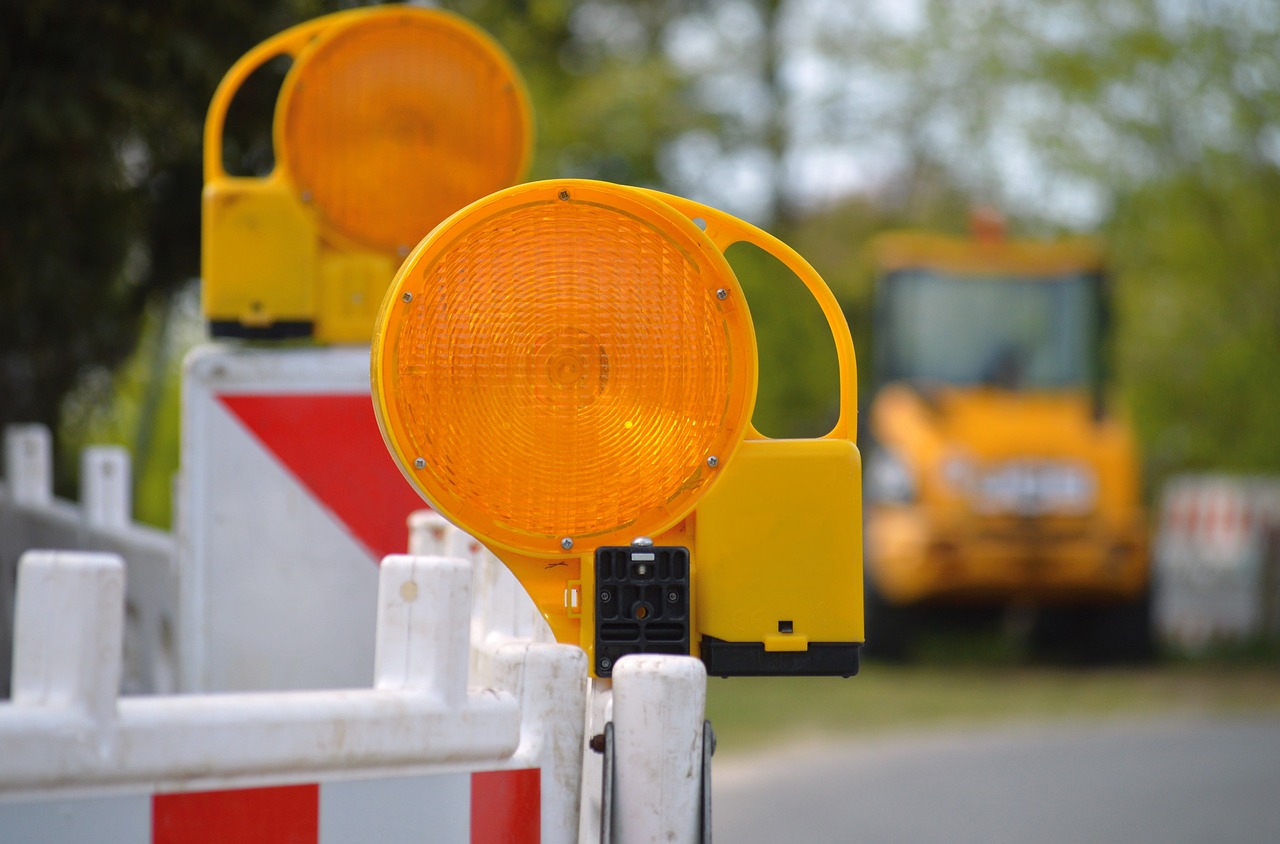
While Africa Road is now open to two-way traffic, certain restrictions remain. The right turn lane from northbound Africa Road to Polaris Parkway remains closed. Temporary lane closures were scheduled on June 26 and 27 for paving on Polaris Parkway, Africa Road, and County Line Road. Once this paving is complete, full access on southbound Africa Road is expected to resume.
Environmental Commitments and Historic Preservation
As part of the development, Westerville is working to balance growth with environmental responsibility. More than 700 new trees will be planted across the site, and a significant ravine will be preserved along with planned pedestrian walkways. The historic Sharp House, located near the development, is also being protected during construction.
Community Feedback and Future Outlook
Some residents have expressed concerns about increased traffic, wildlife displacement, and maintaining Westerville’s small-town atmosphere. In response, the city has integrated public feedback into zoning and design plans to ensure thoughtful development.
As Phase 2 progresses, Westerville continues its effort to deliver a commercially vibrant, environmentally mindful space that reflects both the city’s goals and the community’s values.