
By 1808Delaware
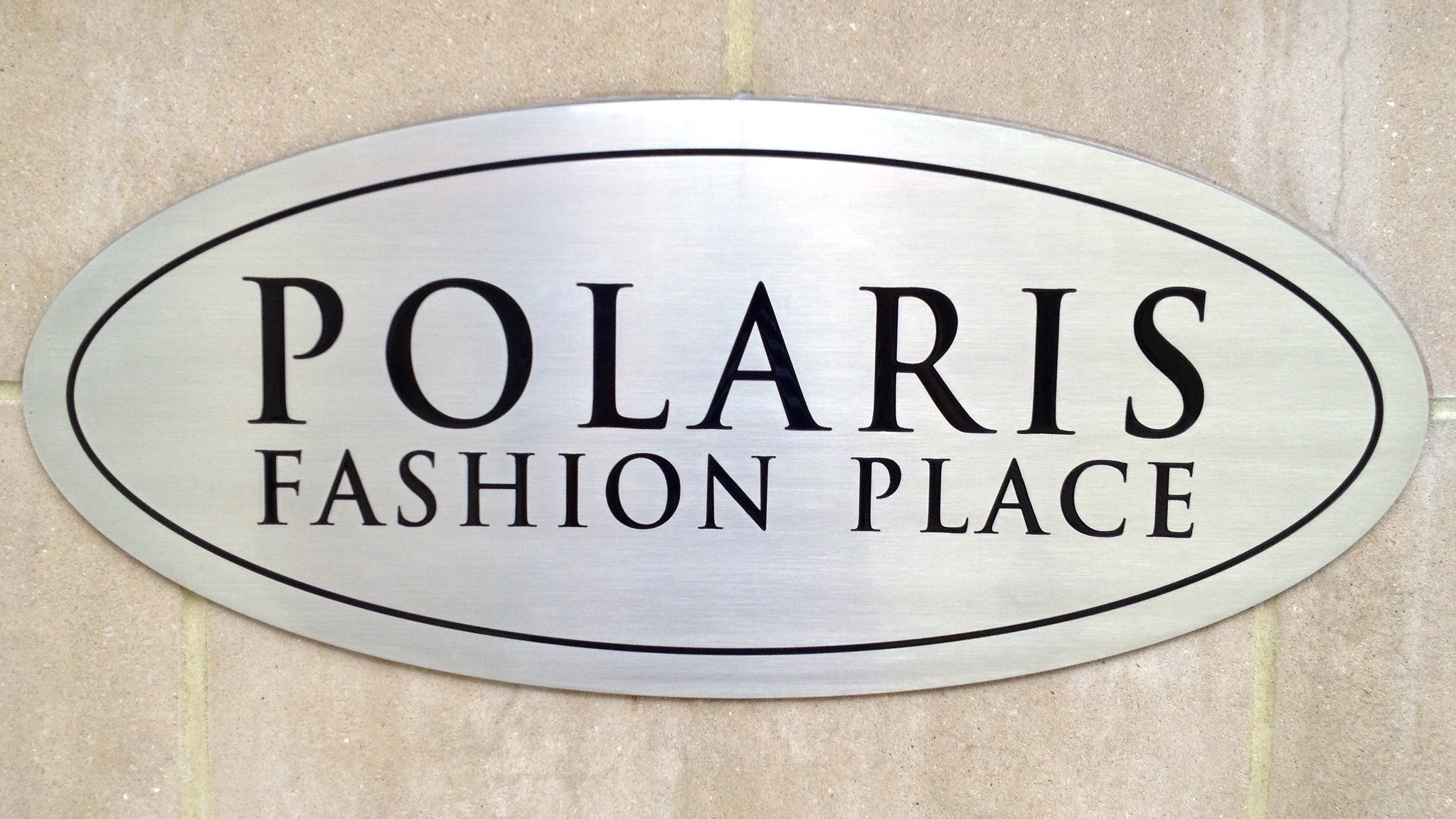
In 2001, it opened as a bold bet on the future of north Columbus retail, and in 2026, Polaris Fashion Place is celebrating 25 years of proving that bet was right. The mall, which officially opened on October 25, 2001, is marking the milestone with a year-long celebration that invites shoppers not just to visit, but to remember.
What visitors will see in 2026
A media wall photo-op now stands in Center Court, designed for guests to stop, snap a picture, and be part of the anniversary story. Shoppers are encouraged to post those photos on social media, tag @PolarisFashionPlace, and use the hashtag #Polaris25Years for a chance to win prizes.
The mall is also asking the community to dig into their own photo albums. Whether it was a prom dress, back-to-school shopping, a holiday outing, or dinner at a favorite restaurant, guests are invited to email old Polaris memories to PolarisFashionPlace@oconnorcp.com.
Mall management says the celebration will continue throughout 2026, with updates posted at PolarisFashionPlace.com/25thAnniversary and on its Facebook and Instagram pages.
Before the doors opened, the fight began
Long before shoppers walked through the doors, Polaris Fashion Place was at the center of one of the most heated development battles in central Ohio.
The site itself had never been a shopping center. It was part of the Far North planning area annexed into the City of Columbus around 1990 as suburban growth pushed steadily north. In 1996, Columbus City Council approved a tax-increment financing district to fund roads and infrastructure for what was then simply described as a new mall at Polaris. That move sparked lawsuits, political challenges, and even a 1999 ballot initiative aimed at stopping the public investment tied to the project.
The effort failed. The infrastructure moved forward. Construction began in June 2000.
A deliberate challenge to older malls
Polaris was not designed to quietly join the region’s retail scene. It was conceived as a direct competitor. Developed by Glimcher Realty Trust as the centerpiece of the 1,200-acre POLARIS Centers of Commerce, the plan called for a two-level, 200-store enclosed regional mall positioned as a high-end fashion destination. Upscale tenants new to the Columbus market, including Lord & Taylor and Saks Fifth Avenue, were recruited to signal that this was not just another suburban mall.
The impact was immediate and dramatic.
Three major anchors, Lazarus, Sears, and JCPenney, relocated from Northland Mall to Polaris in 2001. Northland, already struggling, declined rapidly and closed in 2002. It was demolished in 2004. At the same time, Polaris entered a competitive landscape that included Tuttle Crossing, opened in 1997, and Easton Town Center, opened in 1999. Instead of fading into that mix, Polaris became one of the dominant retail addresses in the region.
Opening day to today
When Polaris opened in November 2001, it launched with 146 inline tenants and seven anchors. It was immediately one of the largest and most visible shopping destinations in Ohio. A quarter century later, the retail world looks very different. Department stores have disappeared. Online shopping has reshaped habits. Many enclosed malls across the country have gone dark.
Polaris is still here.
It has evolved with new retailers, new restaurants, and a surrounding district that has grown into one of the busiest commercial corridors in the state. What was once a greenfield project surrounded by new roads is now the heart of a fully built-out mixed-use area.
A celebration built on memory
The 25th anniversary effort is less about a single event and more about collective memory. Mall leadership is asking guests to help tell the story through photos and personal moments. The media wall in Center Court turns everyday visits into part of that story, while the call for old photos reaches back to the early days when the mall was still brand new.
For many central Ohio families, Polaris Fashion Place has been part of milestones for 25 years. First jobs. School shopping. Date nights. Holiday traditions. In 2026, the mall is asking the community to bring those moments back into view and to help mark how a once-controversial idea became a familiar and lasting part of the region’s landscape.
Photo: Creative Commons License