
By 1808Delaware
At first glance, the City of Delaware’s upcoming Earth Day and Arbor Day plantings look like what they are: a straightforward invitation to dig in, plant trees, and mark the season.
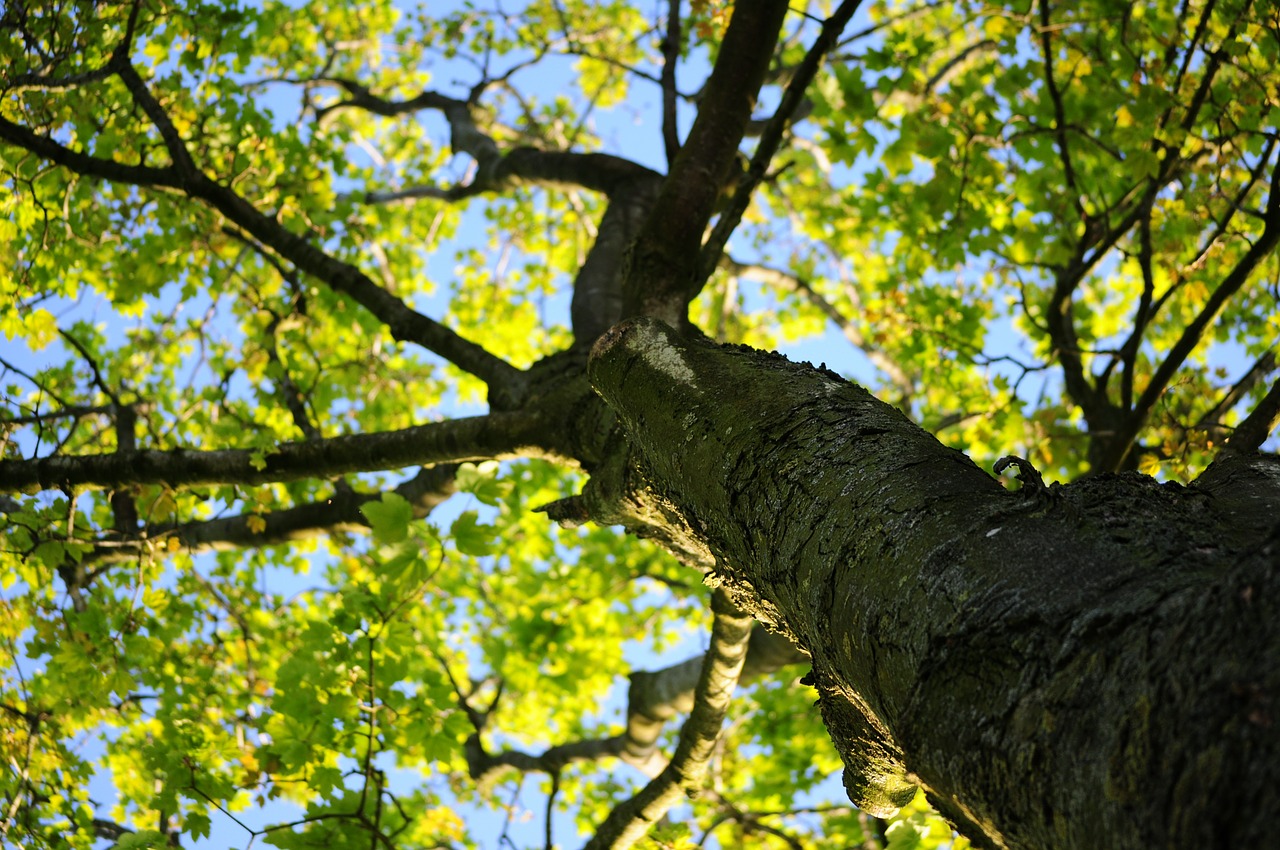
But step back, and something more interesting comes into focus. In Delaware, trees are not just landscaping. They are connective tissue—linking institutions, shaping shared spaces, and quietly reinforcing a civic identity built around stewardship.
A Community Event With Long Roots
The immediate invitation is clear:
- Dates: Wednesday, April 22 & Friday, April 24
- Time: 11:00 AM
- Location: Oak Grove Cemetery, Liberty Road entrance
Participants will help expand the cemetery’s arboretum, adding new species and contributing to a greener canopy that will outlast the event itself. Tours of the cemetery and arboretum will also be offered, turning the experience into both action and education.
The Arboretum That Extends Beyond Campus
What makes this more than a standalone event is how it fits into a broader ecosystem—one anchored by Ohio Wesleyan University.
The university’s campus is formally recognized as the Jane Decker Arboretum, a curated collection of roughly 105 species of trees and woody plants from temperate regions around the world. It dates back to the 1870s, when Rev. Joseph H. Creighton helped bring global species to Delaware—some of which still stand today.
This isn’t a closed academic resource. It functions as a shared landscape:
- A teaching tool for students
- A destination for visitors
- A quiet extension of the city’s public green space
That framing matters. It positions trees not as institutional assets, but as community infrastructure.
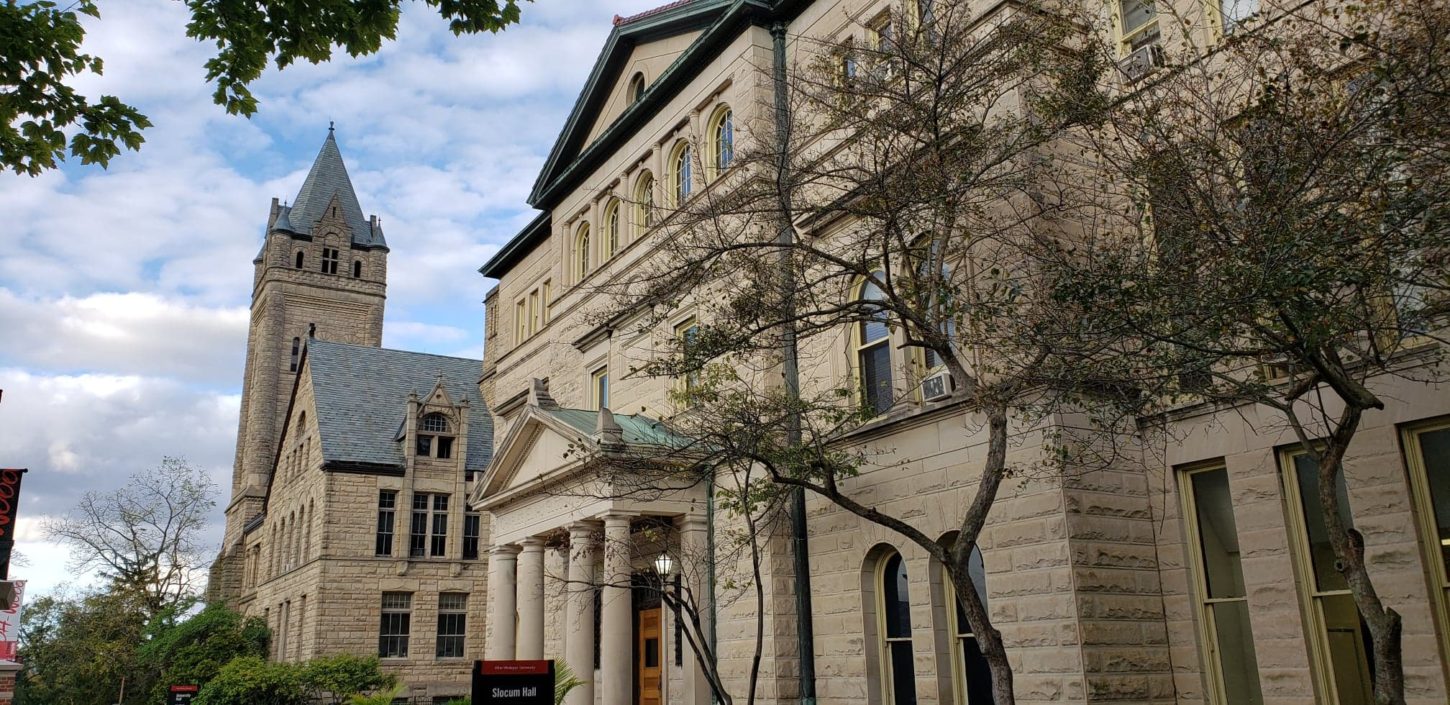
The arboretum becomes tangible through OWU’s Tree Trek, a self-guided walking tour that begins at a towering ginkgo behind Slocum Hall. It’s a subtle but effective idea: you don’t need to “visit a university.” You can simply take a walk among trees.
In practice, that blurs boundaries. The campus becomes part of the city’s environmental experience, reinforcing the idea that Delaware’s tree canopy is shared, not segmented.
Where Ecology Meets Infrastructure
The connection between trees and the city becomes even more concrete along the Delaware Run. This small waterway carries more than just stormwater. Leaves, branches, and organic debris from the urban canopy move through it—turning trees into a direct factor in environmental management.
A recent project led by an OWU student, in partnership with the city, installed a storm drain net designed to capture both trash and green debris before it reaches the Olentangy River.
It’s a practical reminder that trees are not just aesthetic, rather they aare part of the system—and require coordinated stewardship.
A Culture Built Around Trees
OWU’s Tree House living-learning community focuses on sustainability projects that extend into the city, including tools that help residents navigate recycling and environmental practices. Meanwhile, spaces like the campus labyrinth—set within a grove near the Run—offer a shared, reflective environment open to the public daily.