
By 1808Delaware
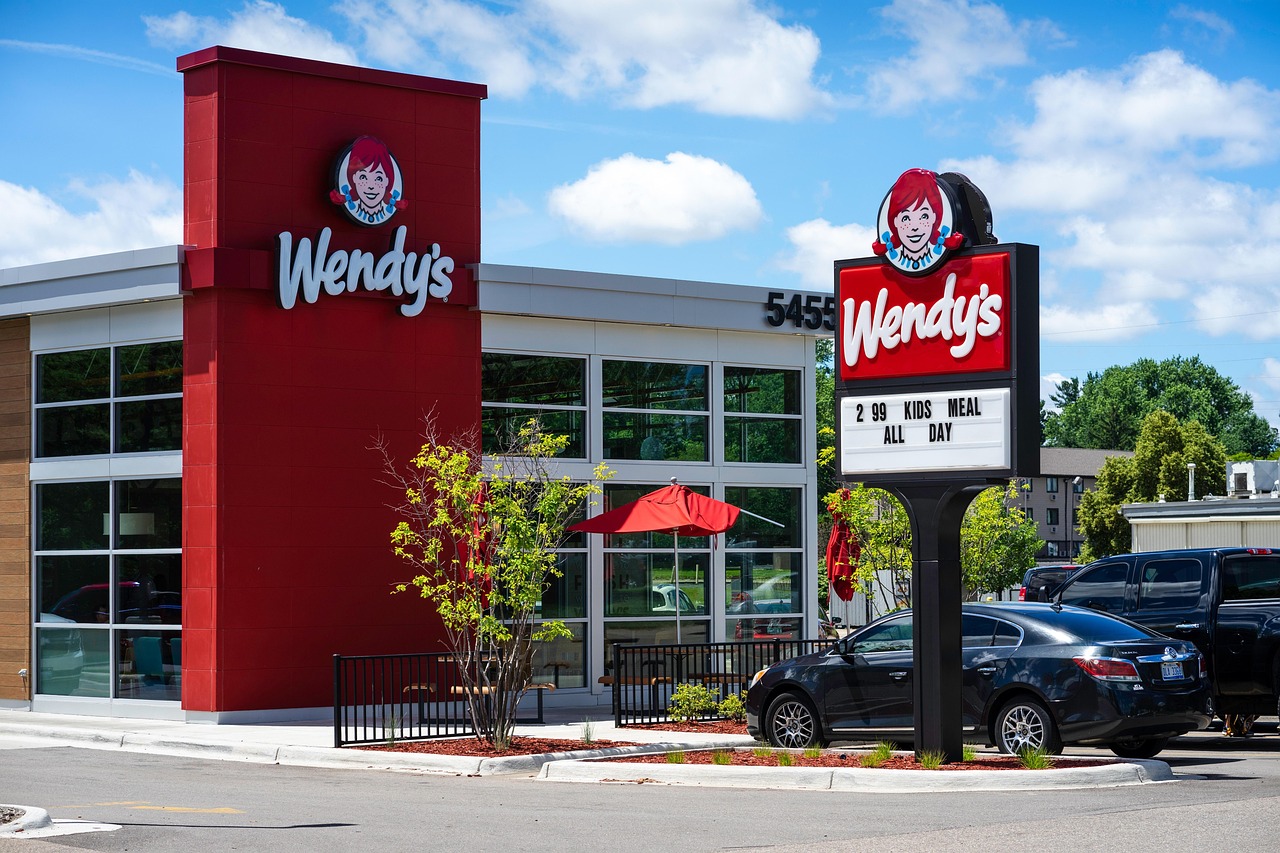
Wendy’s was born in Ohio. Its square patties and Frostys are part of the state’s culinary DNA. So when the company says it plans to close roughly 300 to 360 U.S. restaurants, including some in its home state, it understandably raises eyebrows.
But this is not a collapse story. It is a recalibration story.
What’s Actually Happening
Wendy’s operates about 6,000 restaurants in the United States. A “mid-single-digit percentage” reduction translates to roughly 5 to 6 percent of that footprint. Most of the closures are expected between late 2025 and the first half of 2026. This move follows earlier shutdowns of about 240 U.S. locations in 2024.
The key detail: these are described as the weakest stores in the system. Think aging buildings in marginal trade areas, lower sales volumes, thinner margins. Not wholesale market exits. Not a brand retreat.
In Ohio, Wendy’s has roughly 393 to 407 locations, depending on how you count licensed versus franchised units. Columbus alone has about 33. Given Ohio’s dense network and the fact that many units date back decades, it would be surprising if some older locations were not included in the pruning.
Why Close at All?
Quick service margins are tight. And lower-income consumers, who make up a meaningful share of fast food traffic, have been under sustained pressure from inflation. Executives point to:
- Softer traffic among value-oriented customers
- Profitability strain at the store level
- A strategic push to “improve the restaurant footprint”
That last phrase matters. If you run 6,000 units, you likely have a long tail of marginal performers. Closing them can actually strengthen the system. This is portfolio management, not panic. Chains periodically shed their bottom tier so franchisees can redirect capital toward:
- Remodels
- New builds in stronger trade areas
- Digital menu boards
- Order-ahead and other technology upgrades
The goal is fewer but more productive restaurants.
Is Wendy’s in Trouble?
There is no evidence this is a brand-wide unraveling. In fact, the company continues to emphasize new-store development, international expansion, and modernization of existing restaurants. Many large chains have gone through similar cycles. The pattern is familiar: close underperformers, invest in higher-yield markets, push digital, sharpen margins.
The net result is often a smaller domestic footprint that generates stronger average unit volumes. If anything, the willingness to close weak stores can signal discipline. Chains that refuse to cut marginal units often end up with deeper structural issues later.
What This Means for Ohio
Ohio is Wendy’s home turf. It is also one of its most saturated states. That density means opportunity and redundancy exist side by side. If closures happen here, they are most likely to involve older stand-alone units with outdated layouts, stores in slower trade corridors, and locations with declining traffic patterns. What is unlikely is a sweeping pullback from major metros like Columbus.
For Ohio consumers, the Frosty is not going anywhere. The map might look slightly different by mid-2026, but the brand’s roots here remain deep.