
By 1808Delaware
When PPG’s Delaware plant opened in 1965, automotive coatings were produced in enormous batches through processes that relied heavily on chemical solvents. More than six decades later, the Pittsburgh-based company is preparing the site for a markedly different kind of manufacturing.
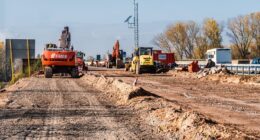
PPG broke ground Thursday, August 6, on a more than $280 million expansion of its automotive coatings operation at 760 Pittsburgh Drive. The project will add approximately 100,000 square feet to the existing 400,000-square-foot plant, bringing new production technology to one of Delaware’s oldest industrial employers. Construction is expected to be completed by the end of 2027, with production beginning in early 2028. The addition will manufacture waterborne basecoats and primers, as well as automotive clearcoats, for vehicle manufacturers and automotive parts suppliers across North America.
“This investment reflects our confidence in the future of the automotive industry,” said Alisha Bellezza, PPG senior vice president for automotive and packaging coatings.
The groundbreaking marks an unusually large domestic investment for PPG’s automotive coatings operation. In interviews surrounding the project, company officials described it as the first time in more than two decades that the business has put substantial new steel in the ground in the United States.
Delaware Wins The Investment
PPG considered building at a new greenfield location before choosing to place the advanced operation beside its existing Delaware plant. The company said the decision followed an extensive review of possible greenfield sites and the changing needs of the automotive market. Retaining the project in Delaware allowed PPG to build around an experienced workforce, an established supply network and more than 60 years of local operating history..
The current plant employs approximately 450 people. The expansion will add 100 full-time positions, potentially bringing employment at the site to about 550.
Documents from the Ohio Tax Credit Authority provide additional detail about the economic impact. PPG committed to creating $7.99 million in new annual payroll while retaining more than $37.2 million in existing payroll at the Delaware location. The new payroll commitment averages just under $80,000 per position. The state approved an eight-year, 1.483 percent Job Creation Tax Credit estimated at $885,000. The credit begins in 2027 and runs through 2034, with annual reporting required through 2037.
Delaware City Council also approved a 100 percent, 15-year Community Reinvestment Area tax abatement covering qualifying real property improvements associated with the expansion. Compensation agreements were included for Delaware City Schools and the Delaware Area Career Center.
Why Waterborne Coatings Matter
The change from solvent-based to waterborne coatings is about more than the kind of paint placed on a vehicle. In a traditional solvent-borne coating, chemical solvents carry the resins and pigments that remain after the coating dries. Those solvents release volatile organic compounds, or VOCs, into the atmosphere during production and application.
Waterborne coatings use water as the primary carrier, sharply reducing the amount of solvent required. PPG’s general comparison places typical solvent-borne coatings at 700 to 900 grams of VOCs per liter, compared with approximately 100 to 300 grams per liter for its waterborne products. PPG’s guide to waterborne coatings. Basecoats provide a vehicle’s visible color and appearance, while primers prepare and protect the underlying surface. Clearcoats add gloss, durability and resistance to scratches and weathering.
The growth of electric vehicles is contributing to demand for newer coating systems, but the principal environmental advantage of the waterborne basecoats and primers planned for Delaware is their lower VOC content. PPG manufactures separate specialized coatings for battery insulation, thermal management and fire protection.
A Factory Built Around Data And Recovery
The expansion also represents a shift away from the large-batch production methods that were common when the Delaware plant opened. The new operation will include automated material movement and real-time digital quality evaluation, allowing production teams to identify variations during manufacturing instead of relying only on later testing.
Water reuse and recovery systems, solvent recovery equipment and updated emissions controls are intended to reduce waste and resource consumption. PPG also plans to use digital manufacturing systems to produce more targeted batches and respond more quickly to changing customer specifications.
Vehicle paint shops are among the most energy-intensive parts of automotive assembly because coatings traditionally require high-temperature curing ovens. PPG has been developing products and processes that cure at lower temperatures, reducing both energy costs and carbon emissions for automakers.
Building On Six Decades
PPG marked the Delaware plant’s 60th anniversary in August 2025. The company has grown into a global coatings manufacturer with operations in more than 50 countries and net sales of $15.9 billion in 2025, but its Delaware operation remains one of the city’s most enduring industrial anchors.
The groundbreaking ensures that the plant will not remain simply a legacy operation from an earlier manufacturing era.
Instead, the site that began producing coatings in Delaware in 1965 is being rebuilt for the vehicles, environmental expectations and factory technology of the next generation.
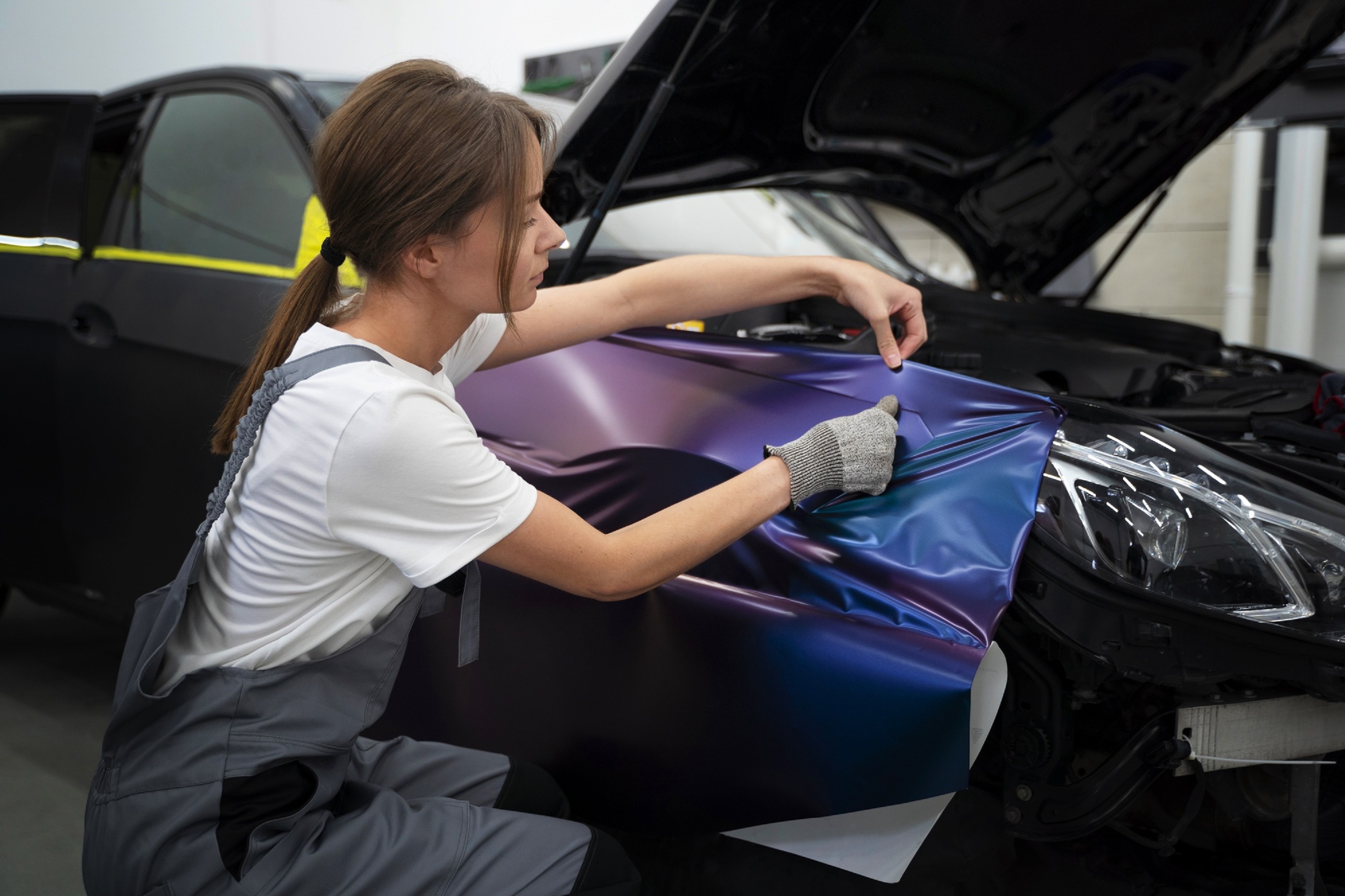
Image by M Rashid Auto Glass from Pixabay