
By 1808Delaware
On Tuesday evening, April 7, a quiet room at the Liberty Branch Library will become a gateway into one of the most transformative chapters in Ohio history. From 7:00 PM to 8:00 PM, historian and longtime educator Tom O’Grady will guide attendees through the rise of Ohio’s canal system, a network that once positioned the state at the center of American commerce.
This is more than a history talk. It is a chance to understand how a largely rural frontier became economically connected to the nation and the world.
The Liberty Branch Library is located at 7468 Steitz Road in Powell.
When Water Meant Opportunity
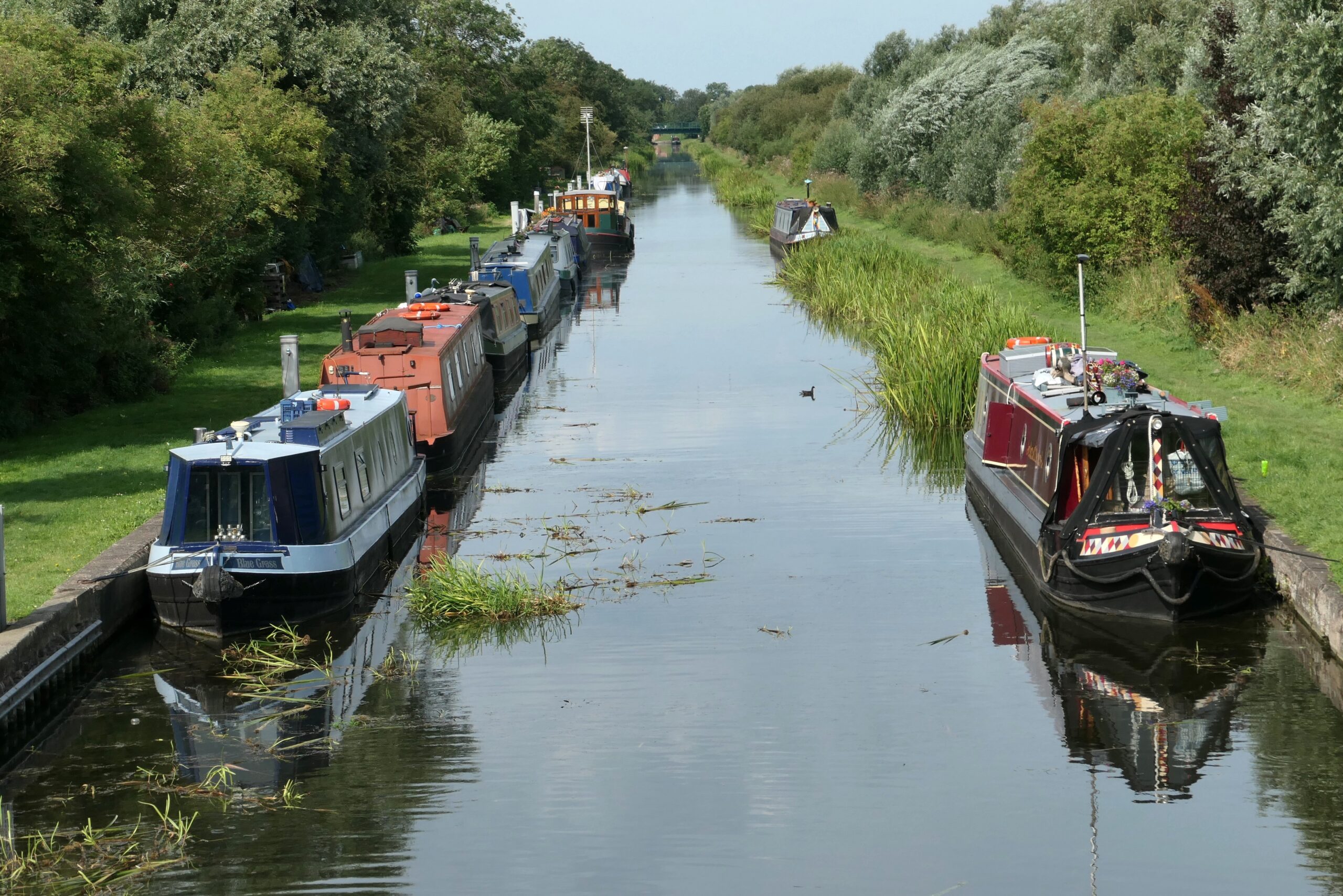
In 1825, the same year construction began on the Erie Canal in New York, Ohio launched an ambitious effort of its own. What followed was the creation of nearly 1,000 miles of canals, towpaths, locks, reservoirs, and feeder systems. Two major routes defined the system, those being the Ohio and Erie Canal, linking Lake Erie to the Ohio River, and The Miami and Erie Canal, stretching across western Ohio.
Together, they formed a transportation spine that connected the Great Lakes to the Mississippi River system. For the first time, goods could move efficiently from the interior of the country to international markets. Grain, timber, and manufactured goods traveled north and south. In return, Ohio received materials, tools, and products from across the eastern seaboard and Europe. The canals did not just move cargo. They moved Ohio forward.
Engineering a State
Building the canals required more than ambition. Workers faced a landscape shaped by glaciers in the north and the rugged terrain of the Allegheny Plateau in the southeast. To make the system work, engineers and laborers:
- Cut channels through dense terrain
- Constructed intricate lock systems to manage elevation changes
- Created reservoirs and feeder lakes to regulate water flow
The result was not simply infrastructure. It was integration. Communities that had once been isolated became linked, economically and culturally, into a more unified Ohio.
A Speaker with Perspective
Tom O’Grady brings an unusually broad background to this subject. For three decades, he has taught observational astronomy at Ohio University. At the same time, he has spent more than 25 years studying Ohio’s geography, early settlement, and historical systems, including the canals.
His experience extends well beyond the classroom:
- Deck worker on a Great Lakes ore carrier, tied to the legacy of the SS Edmund Fitzgerald
- Survey work for the Ohio Department of Natural Resources
- Founder of Ohio’s first comprehensive curbside recycling program
- Longtime advocate for sustainability and resource management
That combination of lived experience and historical research gives his presentations a grounded, practical perspective. He understands both how these systems worked and why they mattered.
Part of a Larger Story
This program is part of the America 250-Ohio initiative, a statewide effort to reflect on Ohio’s role in the nation’s development as the United States celebrates its 250th anniversary.
The canal era is a natural fit for that reflection. It represents a moment when Ohio shifted from frontier to force, using ingenuity and labor to connect itself to a rapidly expanding country.
What You Will Take Away
Attendees can expect more than a chronological overview. The evening will offer:
- A clear understanding of how the canal system functioned
- Insight into the economic transformation it sparked
- A deeper appreciation for the physical and human effort involved
- Context for how these waterways shaped modern Ohio communities
Registration is required, and seating is limited. You can do so here. For those who attend, the reward is perspective. The towpaths and quiet waterways that still trace parts of the state are not relics. They are reminders of a time when Ohio built its future, one lock at a time.
Image by CleanerShrimp from Pixabay