By 1808Delaware
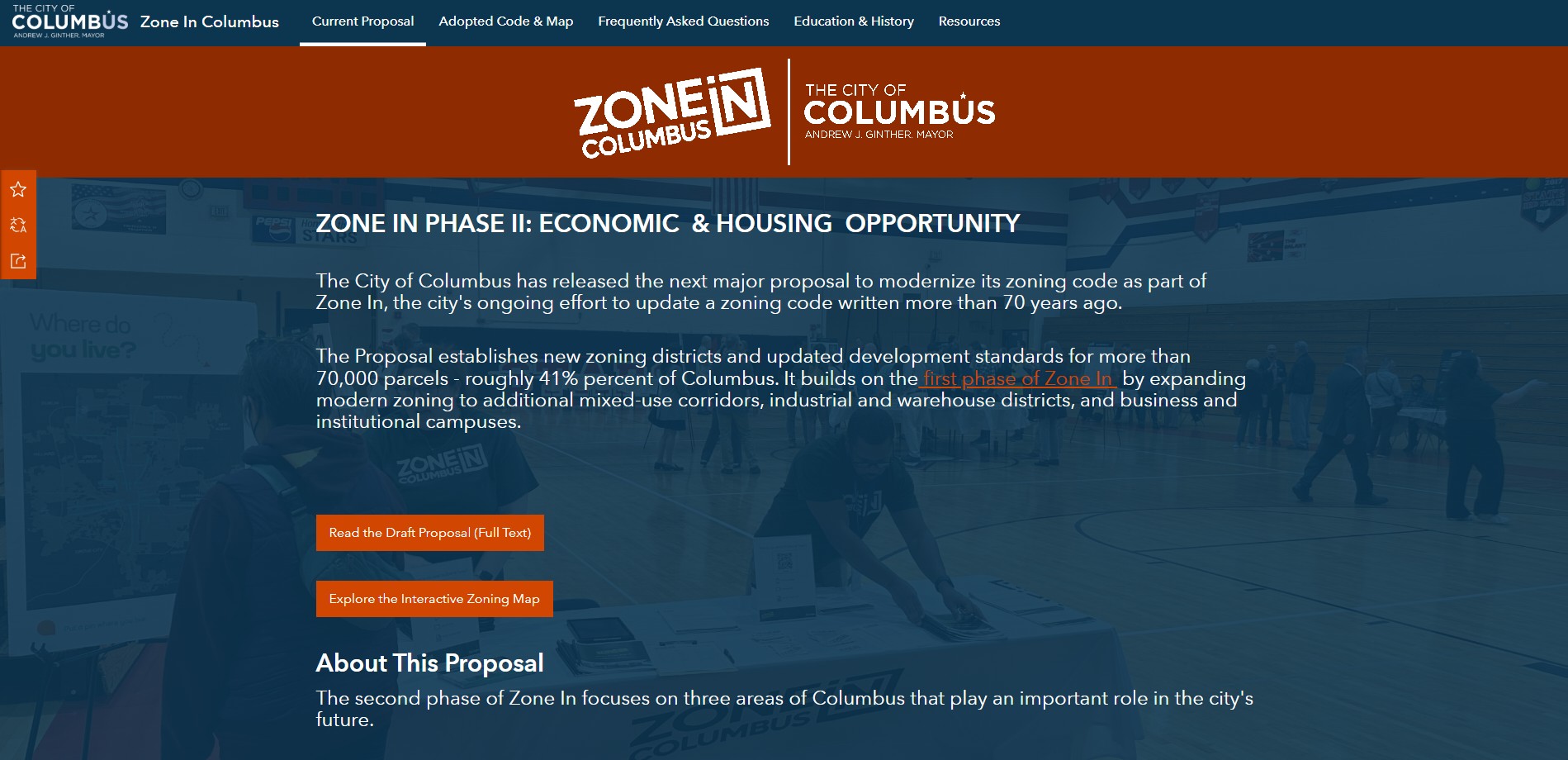
Columbus is moving into the next major stage of an effort that could change how nearly half the city develops for decades to come. Mayor Andrew J. Ginther has submitted the second major phase of the city’s Zone In initiative, proposing new zoning districts and development standards for more than 70,000 parcels, representing roughly 41 percent of Columbus.
The proposal reaches well beyond the mixed-use corridors that were the focus of the first round of zoning changes. This time, Columbus is looking at additional commercial corridors, industrial and warehouse areas, business parks, hospitals, universities and other large employment centers.
And one number illustrates the potential scale of the change. City officials estimate that the affected areas could accommodate approximately 119,000 homes during the next decade under the proposed zoning. Under existing zoning, those same areas have capacity for roughly 13,000.
Building On The First Phase
Zone In represents Columbus’ first comprehensive overhaul of its zoning system in roughly 70 years.
Phase One concentrated on approximately 140 miles of major corridors across the city. In July 2024, City Council rezoned approximately 12,300 parcels into newly created mixed-use districts under a new Title 34 zoning code. The city says those changes created zoning capacity for more than 80,000 additional homes beyond what the previous regulations would have allowed. Phase Two substantially widens that approach.
The new proposal is intended to make it easier for housing and commercial uses to coexist in locations where jobs, services and transportation are already concentrated. Housing incentives would continue to be used to encourage mixed-income and affordable residential development.
Ginther said the broader issue is not simply whether Columbus will continue growing, but how that growth will be accommodated. The administration argues that updating the zoning code can increase housing opportunities while giving neighborhoods, property owners and developers clearer expectations about what can be built and where.
More Than A Housing Proposal
Although the potential for more than 100,000 additional housing units is likely to attract much of the attention, Phase Two is also aimed heavily at Columbus’ employment districts.
Industrial properties, logistics centers, business parks, hospitals, universities and similar campuses would receive updated zoning intended to give property owners more flexibility to expand, redevelop or adapt existing sites as economic conditions change. At the same time, the proposed regulations would establish standards governing how those employment areas interact with adjoining neighborhoods.
That reflects the broader purpose of zoning itself. Columbus defines zoning as the system that regulates such matters as land use, setbacks, building height, lot coverage, parking and the placement and size of structures.
Phase Two would also expand the use of market-driven parking standards, taking into account surrounding development and access to transit rather than relying as heavily on fixed parking requirements. Design expectations would be established earlier in the development process, while portions of the zoning code would be reorganized in an effort to make the rules easier to navigate.
From Proposal To Public Review
The proposal is not yet the final word on zoning for those 70,000-plus properties. Columbus City Council adopted Resolution 0183X-2026 on August 24, formally declaring its intention to consider rezoning the identified parcels and beginning a 60-day public review process. Mayor Ginther signed the resolution August 26. That means the public comment period is now underway and runs through October 24.
During the review, Area Commissions, the Historic Resources Commission, Development Commission and other applicable bodies will have opportunities to examine the changes. Property owners and tenants on affected properties, along with those within 125 feet of them, are also to receive notice. City Council plans two public meetings during the comment period and two additional meetings afterward before taking further action on the proposed rezoning.
The process follows months of community engagement associated with Phase Two and the Columbus Growth Strategy, including workshops, neighborhood and Area Commission meetings, civic organizations, community events and online participation.
A Chance To See What Could Change
Residents can examine the proposed zoning online through the city’s Zone In website, including maps showing the properties that would be affected. For those who would rather explore the proposal in person, Columbus has also established the Zone In Public Gallery at 141 N. Front Street. The space includes interactive exhibits and maps, with city staff available to explain the proposed changes. Council President Pro Tem Rob Dorans, who chairs City Council’s Zoning Committee, has encouraged residents to review the maps and proposal and participate during the comment period.
What eventually emerges from that process could affect far more than individual development projects. With more than four in every 10 Columbus parcels included in Phase Two, the proposal would establish new ground rules for where housing can be built, how employment centers can evolve, how much parking developments must provide and how new construction meets existing neighborhoods. For a city continuing to add residents, jobs and development, those rules could help determine what Columbus looks like long after the current round of zoning debates has ended.