
By 1808Delaware
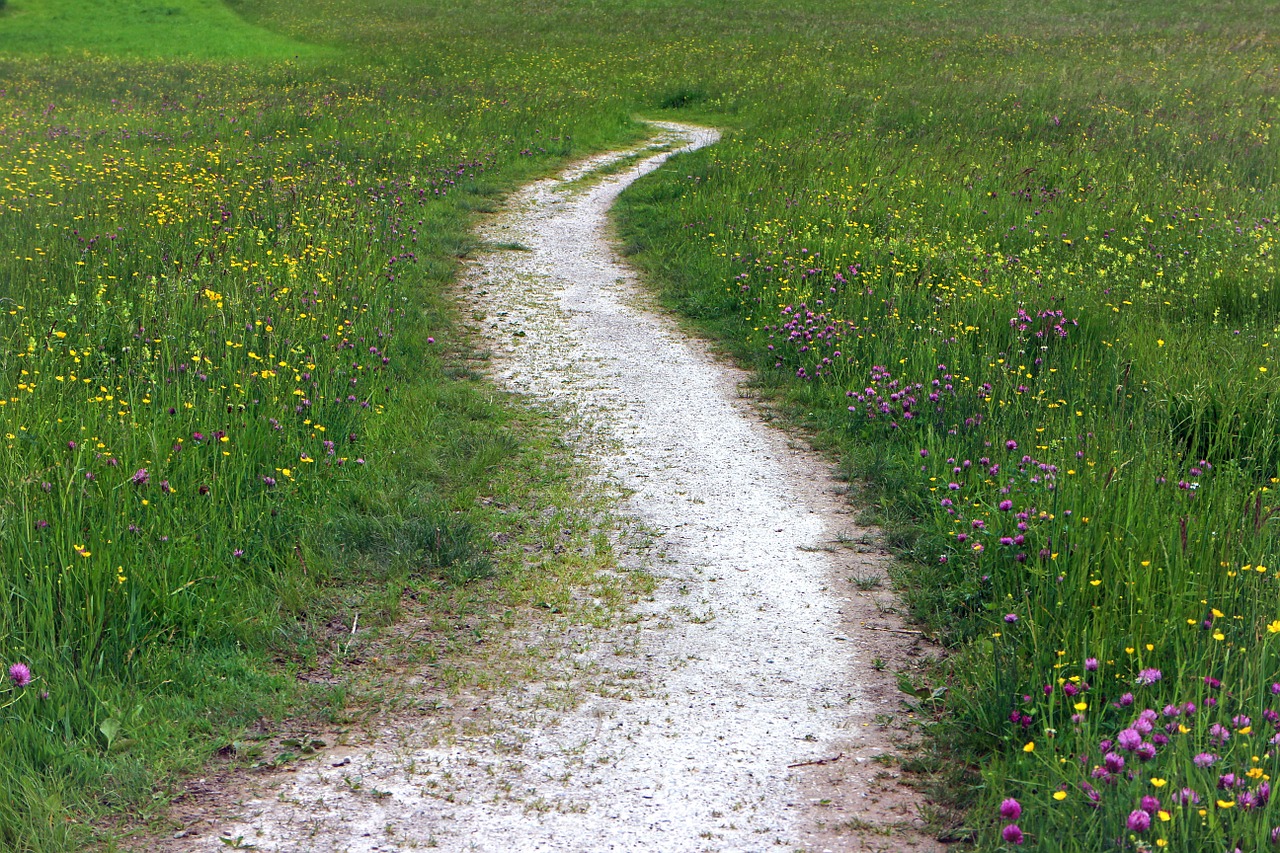
The Central Ohio Transit Authority (COTA) has approved nearly $30 million to launch 37 new sidewalk, bikeway, and trail projects across the region. This marks the first significant investment under the LinkUS initiative, which is designed to create safer, more walkable and bikeable neighborhoods while improving connections to public transit.
Why This Matters Now
Central Ohio is one of the fastest-growing regions in the country, expected to reach about 3.15 million residents by 2050. That growth brings new challenges in traffic, safety, and access. LinkUS is a strategy to meet those challenges head-on by modernizing transportation and making it easier for people to get around without a car.
Beyond sidewalks and trails, LinkUS includes upgrades to the transit system itself, such as adding Bus Rapid Transit lines with dedicated lanes, faster boarding, and improved reliability. COTA also plans to increase bus service hours by nearly 45 percent over the coming years, extending frequency and hours of operation to serve more riders.
Details of the First Projects
The $30 million allocation covers 37 projects, moving them into design or construction. This is part of a larger effort to deliver 83 projects in the first five years, resulting in more than 150 miles of new sidewalks, trails, and bikeways. The long-term plan envisions more than 500 miles of improvements by 2050, requiring about $60 million per year in sustained investment.
Examples of high-priority projects include:
- Big Walnut Trail extension in Gahanna, estimated at more than $4 million
- Brooksedge Mobility Project in Westerville, at more than $3 million
- Capital Trail along Broad Street, at more than $2 million
- Grove City connection to the Camp Chase Trail, at about $2.2 million
- A pedestrian bridge over Hoover Road in Grove City, at about $2.2 million
Other projects range from shared-use paths in suburban communities to pedestrian connections in smaller townships.
Communities Included
This round of projects spans more than 40 neighborhoods and municipalities. Columbus neighborhoods such as Linden, Clinton Township, and the Near East Side will see early improvements, alongside suburban cities like Dublin, Hilliard, Worthington, New Albany, and Upper Arlington. Smaller communities such as Minerva Park, Obetz, Canal Winchester, Valleyview, and Prairie Township are also included.
The goal is to ensure that both urban and suburban residents benefit, with many projects focusing on connections to transit lines, schools, and parks.
Timeline and Next Steps
The funding became possible after voters approved Issue 47 in November 2024, a sales tax measure that doubled COTA’s transit funding base. The tax went into effect in April 2025, with part of the revenue dedicated to sidewalks, bikeways, and trails.
Construction on some projects could begin as early as late 2025, while more complex undertakings such as the West Broad Bus Rapid Transit line are expected to break ground in the same timeframe. Additional corridors, such as East Main and the Northwest Corridor, are advancing through design and federal approval processes, with construction on those expected later in the decade. Some high-ridership routes are projected to move toward 24-hour service by 2029.
Equity and Community Benefits
A major priority for LinkUS is equity. Many of the early projects target areas where walking and biking options are limited and where residents face economic or transportation challenges. About three-quarters of the projects serve neighborhoods with high populations of older adults, and more than 70 percent serve areas with higher poverty rates. Roughly 60 percent of projects are located in neighborhoods with large shares of residents with disabilities, while over half serve areas where many households lack access to a vehicle.
This matters because 94 percent of COTA riders reach their bus stop on foot. By closing the gaps in sidewalks and bike paths, the initiative is designed to make transit safer and more accessible for everyone, especially for those who rely on it the most.
A Long-Term Vision
The $30 million investment is just the beginning. Over the next 25 years, the region plans to invest around $8 billion in mobility improvements, reshaping how people move across Central Ohio. Sidewalks, bikeways, and trails may not be as visible as major highway expansions, but they represent a shift toward a safer, more sustainable, and more connected future.
For residents, it means easier trips to school, safer routes to parks, better access to jobs, and smoother connections to public transit. For the region, it means building the infrastructure to support growth while reducing congestion and making communities more livable.