By 1808Delaware
A wet spring has left much of Ohio green, fast-growing, and lush. It has also created ideal conditions for one of the state’s more dangerous invasive plants. Poison hemlock is spreading across Ohio, including Delaware County, and local health officials at the Delaware Public Health District are urging residents to learn how to identify it before attempting any yard work, roadside clearing, or brush removal.
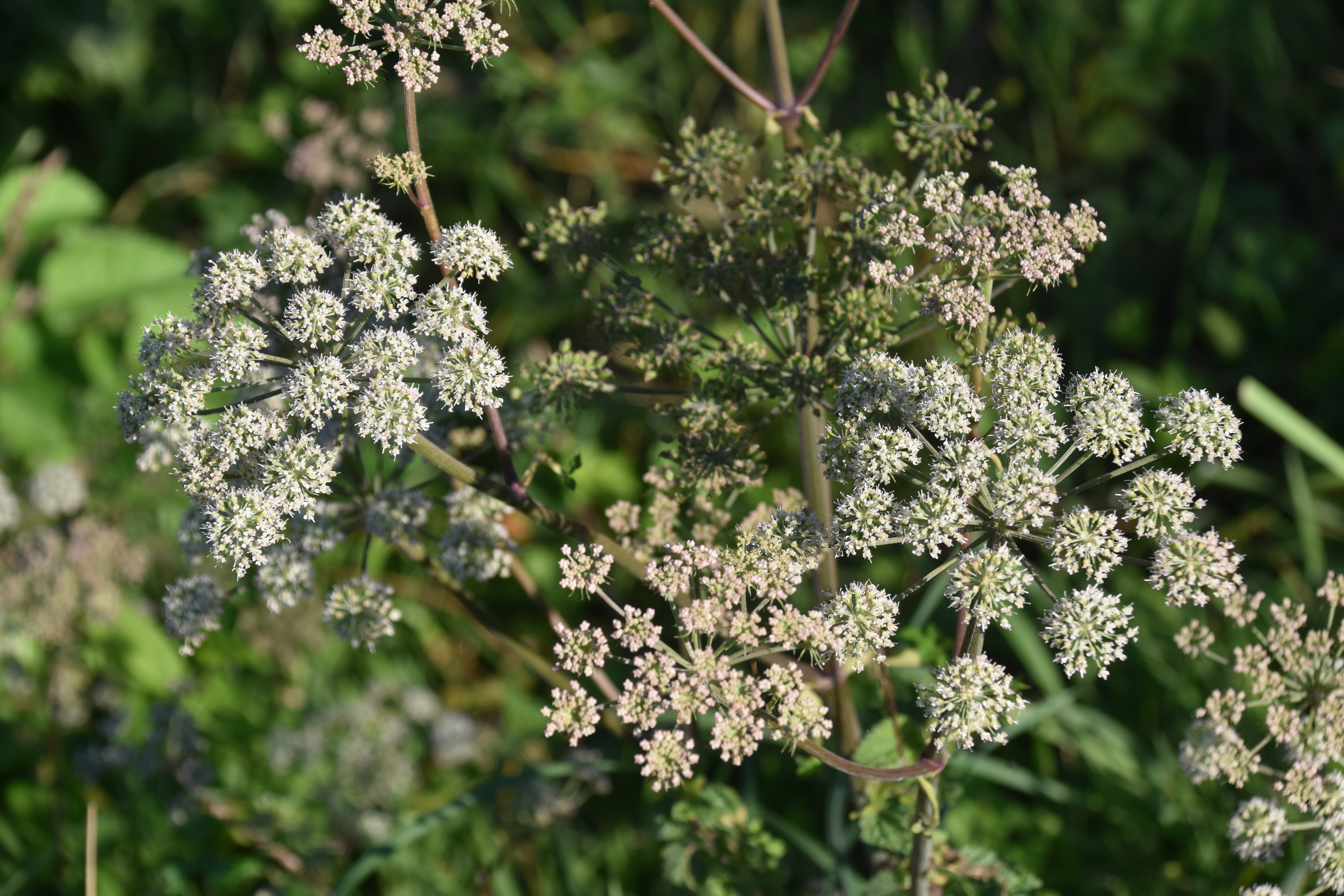
The plant can grow tall and noticeable, often standing out along roadsides, ditches, fields, fence lines, and unmanaged areas. It is commonly identified by its fern-like leaves and smooth green stems marked with purple spotting. Because of its lacy white flowers and similar appearance, it is sometimes mistaken for wild carrot or Queen Anne’s lace.
That mistake can be serious. Poison hemlock is highly toxic to people and animals. Its sap can cause skin irritation and severe reactions, and officials warn residents not to touch, mow, or burn the plant. Inhaling fumes from burning poison hemlock can be extremely dangerous.
How to Handle Poison Hemlock Safely
Residents who find poison hemlock on their property should use caution and avoid direct contact. Those removing the plant should wear gloves, long sleeves, pants, and eye protection.
The safest time to remove poison hemlock is when the soil is moist and before the plant flowers. Plants should be pulled or dug out, including the taproot, to help prevent regrowth. All plant material should be placed in plastic bags and disposed of in the trash.
It should not be composted or burned. After removal, clothing and tools should be washed thoroughly. For larger patches, difficult areas, or uncertainty about identification, residents are encouraged to seek guidance before acting. OSU Extension offices can help with plant identification and control strategies, including chemical or mechanical options. The Ohio Department of Agriculture oversees noxious weed regulations at the state level, though it does not directly remove plants.
A Seasonal Reminder
The warning comes as wet spring conditions have encouraged aggressive plant growth across the region. For property owners, gardeners, pet owners, and livestock caretakers, poison hemlock is not just another weed. It is a plant that requires recognition, caution, and safe removal.
Anyone who is unsure whether a plant is poison hemlock should avoid touching it and contact a local Extension office for help with identification and next steps.
Image by JackieLou DL from Pixabay