
By 1808Delaware
A rare glow brushed across the Ohio sky earlier this monthcol as the Northern Lights drifted south, but something even more unexpected arrived at the Columbus Zoo this morning. While most of Central Ohio slept, the Zoo’s Animal Care and Conservation Medicine teams were gearing up for a different kind of spectacle: the arrival of three young manatees starting the next chapter of their rehabilitation.
Preparing for the Journey
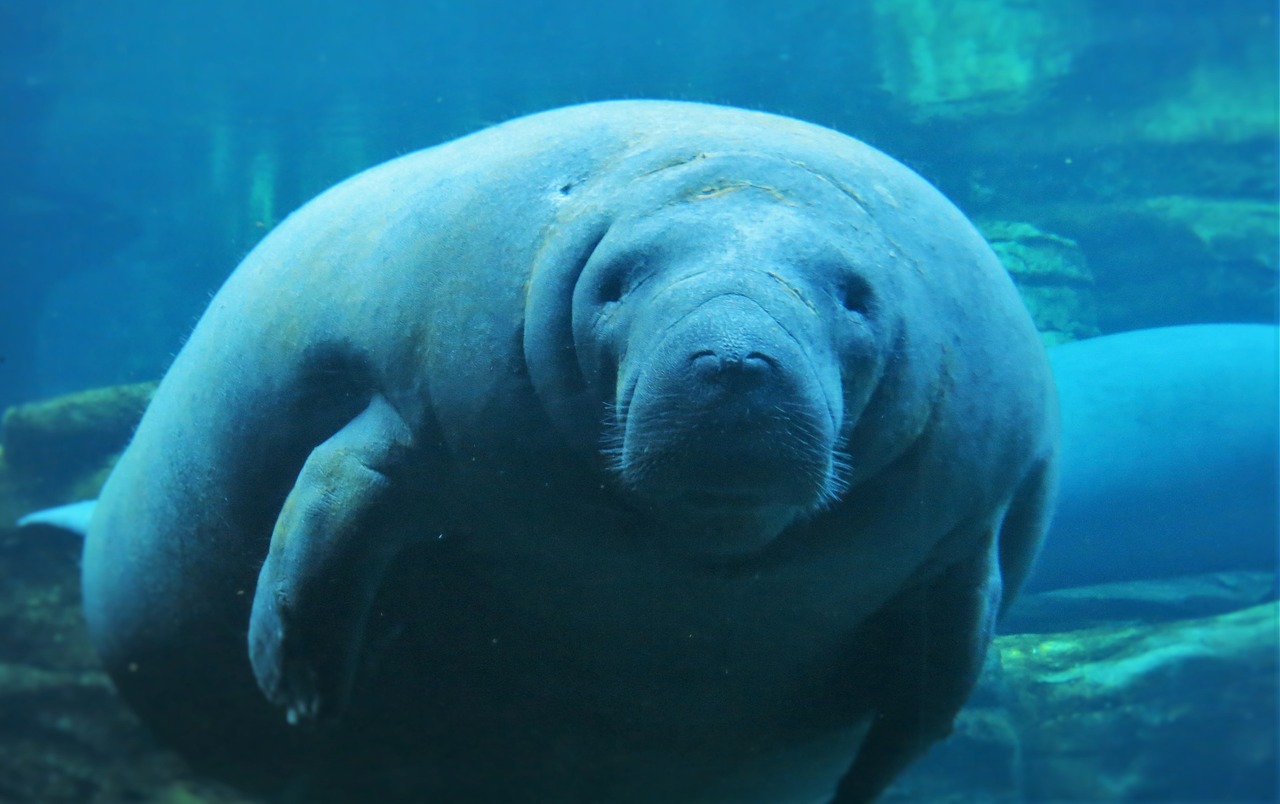
Redrock, Rosalyn, and Noface came from SeaWorld Orlando through the Manatee Rescue and Rehabilitation Partnership. All three are orphans. Noface carries the most visible reminder of why this work matters. She survived severe cold stress, losing skin around her face in the process. The name sounds stark because her past was stark, but it also speaks to her toughness.
Settling In With a Familiar Guide
When the transport crates opened, the trio entered a habitat that already feels like home for one permanent resident. Stubby, a long-term manatee at the Zoo, was struck by a boat early in life and cannot be released. Over the years, caretakers have watched her slip naturally into a mentoring role, often becoming a surrogate mother for calves that arrive scared, thin, and unsure.
Stubby didn’t hesitate this time either. By mid-morning she was gliding alongside the newcomers, guiding them through the pool, rising for breath with them, and setting the pace in a calm, steady way only an experienced animal can.
Why These Three Matter
The arrival of Redrock, Rosalyn, and Noface is more than a feel-good moment. Florida manatees remain under stress from watercraft strikes, cold snaps, red tide, entanglements, and shrinking habitat. Rehabilitation is not a luxury. It is the only reason many calves survive.
The Columbus Zoo’s role in the Manatee Rescue and Rehabilitation Partnership places it in a national effort to stabilize a species that is constantly teetering between recovery and setback. Each success is hard-won. Each animal that arrives represents hours of field work, veterinary care, transport logistics, and long-term monitoring.
The mission that ties the partnership together is straightforward. Rescue the animals that need help. Rehabilitate them with the highest medical and behavioral standards. Release them when they are ready. Study their biology and health to improve the next rescue. Then teach the public why it all matters.
That last part is sometimes overlooked, but it is critical. Conservation doesn’t hold if the public tunes out. A single visit from a school group or a social media photo of Stubby guiding a new calf can spark long-term support.
Looking Ahead
Redrock, Rosalyn, and Noface have a long road ahead. Rehabilitation is measured in months, not days. Some animals make a full recovery and return to Florida waters. Others, like Stubby, become permanent residents because life in the wild is simply too risky.
For now, the trio’s arrival brings a dose of cautious optimism. It is a reminder that progress happens one animal at a time and that even in the middle of an Ohio autumn, far from their native coastline, manatees have allies working around the clock.
Source: Columbus Zoo & Aquarium